
31°C, New York


Notification products, updates
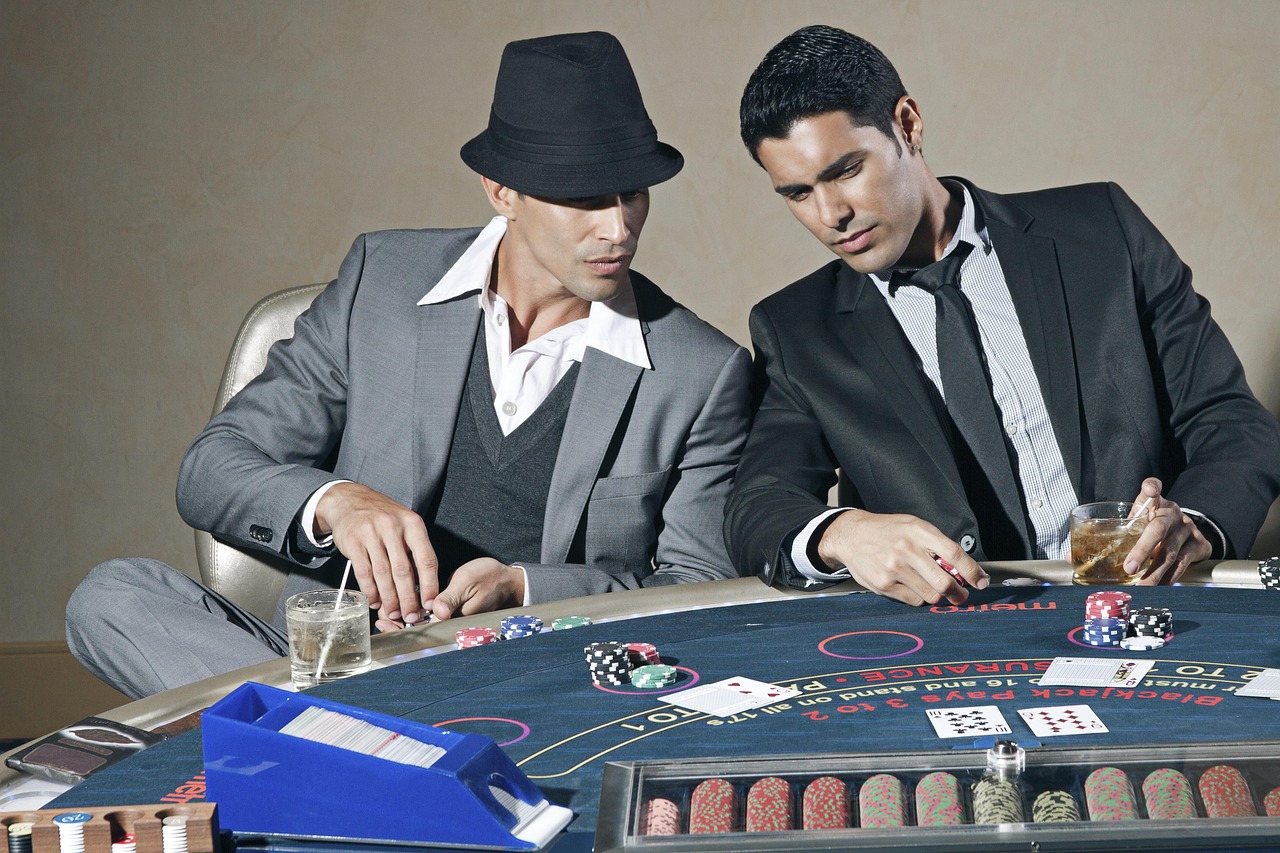
There is a moment every gambler knows. It happens somewhere between the third hour of a poker session and the fifth re-spin on a slot machine. The math is the same for everyone, but the outcome isn't. Walk into any casino in Macau, Las Vegas, or a basement poker room in Bucharest, and you'll see two types of people: those who treat gambling as a calculated activity and those who treat it as a lottery ticket. The difference has nothing to do with luck. It has everything to do with process.
This isn't a sermon about quitting. It's a breakdown of how the actual winners think, play, and survive in a landscape designed to bleed them dry. A detailed guide is available at สล็อต.
Every game in a casino carries a mathematical advantage for the operator. That's not a conspiracy. It's the business model. But the size of that edge varies wildly, and ignoring it is the single biggest mistake recreational players make.
A player who spends Saturday night on keno and a player who spends it at a baccarat table with a 1% edge are not doing the same thing. One is paying a 25% tax per bet. The other is paying 1%. Over a thousand bets, that gap is the difference between a modest loss and a financial crater. Winner know this and choose their battles accordingly. They don't complain about the house edge. They minimize it.
Let's be honest about slots. They generate the majority of casino revenue worldwide, and for good reason. They're hypnotic. The lights, the sounds, the near-misses, the bonus triggers. But most players never bother to look at the paytable, let alone the RTP (return to player) percentage.
A slot with 96% RTP returns $96 for every $100 wagered over millions of spins. A slot with 88% returns $88. That eight-dollar difference doesn't sound like much until you're spinning $2 per pull for three hours. High-volatility slots like Book of Dead or Bonanza can go hundreds of spins without a meaningful win. Low-volatility slots pay smaller amounts more frequently but can still drain you through sheer volume.
Here's what separates the sharp slot players from the button mashers:
No one beats a slot machine long-term. The winners are the ones who walk away with more than they deposited on a given night and don't give it back the next.
Poker is the one game in the casino where a skilled player can genuinely extract profit from weaker opponents over time. But the margin is thinner than most beginners think, and variance is brutal.
A solid cash game player at $1/$2 no-limit hold'em might earn $15 to $25 per hour in the long run. That's it. The romanticized image of crushing souls and stacking chips is mostly a fantasy. What actually happens is a grind: folding 80% of hands, identifying opponents who overvalue top pair, and keeping emotions in check after a bad beat.
The biggest leak for amateur poker players is playing too many hands. If you're seeing the flop with 40% of your starting hands, you're not playing poker. You're donating. Tight-aggressive play isn't a suggestion. It's the baseline. Add position awareness, bet sizing discipline, and the willingness to fold a strong hand when the board says you're beaten, and you're already ahead of 70% of the field at low stakes.
Sports betting has exploded in recent years, and with it, a new generation of players who think a hot streak means they've cracked the code. They haven't. The bookmaker's margin on a standard -110 line is about 4.5%. On parlays, it balloons to 20% or more.
Professional bettors don't chase locks. They hunt for value. If a team should win 60% of the time but the odds imply only 50%, that's a bet worth making. If the odds imply 70% but the true probability is 60%, you pass. This is called expected value, and it's the only long-term metric that matters.
Discipline in betting isn't about predicting the future. It's about managing uncertainty better than the average punter.
Casinos are engineered to exploit cognitive biases. The near-miss on a slot reel triggers the same dopamine response as a win. The free drinks at a poker table lower your inhibition. The flashing lights and celebration sounds when you hit a small payout convince you that you're on a roll.
The most dangerous phrase in gambling is "I'm due." Machines don't have memory. Roulette wheels don't care that red came up ten times in a row. Every spin, every hand, every roll is independent. The gambler's fallacy has bankrupted more people than bad luck ever has.
Winners recognize these traps and build systems to avoid them. They set time limits. They don't gamble drunk. They don't chase losses. They treat the entire activity as a cost, not an income source, and if they do happen to profit, they lock a portion of it away before they give it back.
The iGaming world is not designed for the player to win consistently. It's designed to provide entertainment in exchange for money, with occasional payouts to keep the engine running. The people who thrive in this environment are not geniuses. They're disciplined. They understand the math, respect the variance, and never bet more than they can afford to lose without it affecting their life.
If you take one thing from this, let it be this: the game doesn't owe you anything. Your job is to make calculated decisions, manage your bankroll like it's a business expense, and walk away when the numbers stop making sense. Do that, and you're already ahead of the crowd stumbling toward the ATM at 3 a.m.

Fjord & Dune shares practical, down-to-earth guidance on uk coastal walks and seaside living for readers across the UK.
Stay Tuned With Updates


Leave A Comment